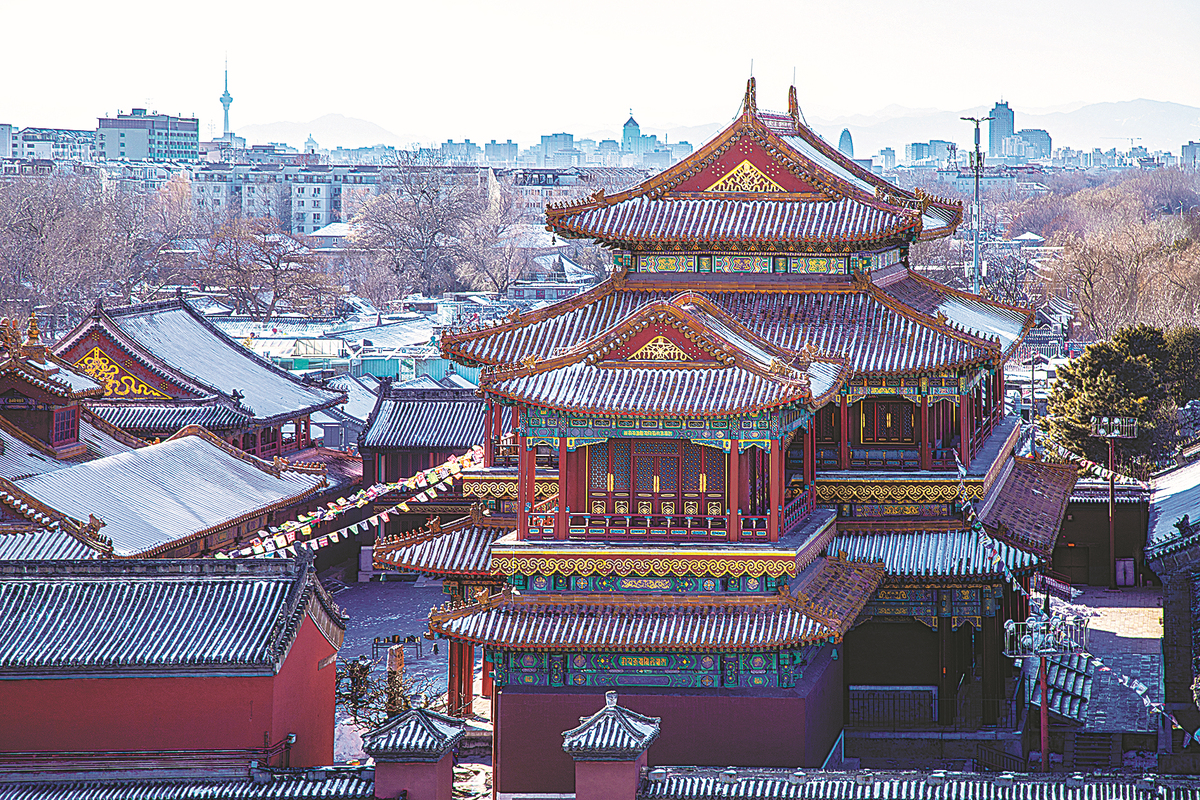
Yonghe Lama Temple
Introduction
The Yonghe Lama Temple, also known as Yonghe Lamasery or Yonghe Temple, is a renowned temple and monastery of Tibetan Buddhism located in the Dongcheng district of Beijing. It is one of the largest and most significant Tibetan Buddhist monasteries in the world, reflecting a blend of Han Chinese and Tibetan architectural styles. Originally, the site was a residence for court eunuchs during the Qing Dynasty (1644-1911), before being converted into a monastery. The temple complex has undergone several transformations since its construction in the late 17th century.
Historical Background
The Yonghe Lama Temple was initially built in 1694 during the Qing Dynasty as a residence for Prince Yong, the future Yongzheng Emperor. After he ascended the throne, the site was converted into a monastery for Tibetan Buddhism and became an important religious center. In 1744, it was officially transformed into a lamasery and became a residence for large numbers of Tibetan monks who came to study and practice Buddhism.
Architectural Design
The architecture of Yonghe Lama Temple is a magnificent blend of Han Chinese and Tibetan styles. The temple complex includes several halls, pavilions, and courtyards, spread over an area of 66,400 square meters. The main structures along the central axis include the Hall of the Heavenly Kings, the Hall of Harmony and Peace, the Hall of Everlasting Blessings, the Hall of the Wheel of the Law and the Pavilion of Ten Thousand Happinesses. Each of these buildings is adorned with intricate carvings, religious statues and vibrant paintings that reflect the rich cultural and spiritual heritage of Tibetan Buddhism.
Cultural and Religious Significance
Yonghe Lama Temple is not only an architectural marvel but also a significant cultural and religious site. It serves as a center for Tibetan Buddhism in Beijing and attracts pilgrims and tourists from all over the world. The temple is home to a variety of religious artifacts, including a massive statue of Maitreya Buddha, which stands 18 meters tall and is carved from a single piece of sandalwood.
Yonghe Lama Temple is a testament to the enduring legacy of Tibetan Buddhism and its influence in China. Its historical and cultural significance, combined with its stunning architecture, makes it a must-visit destination for anyone interested in exploring the spiritual and cultural heritage of China.
Visitor Experience
The temple offers a serene environment for visitors to explore and experience Tibetan Buddhist culture. In addition to stamp collecting, visitors can participate in special events and activities organized by the temple, such as traditional Buddhist ceremonies and educational tours. The temple's location in the bustling city of Beijing makes it easily accessible for both local and international tourists. Many visitors are drawn to the spiritual atmosphere of the temple, which offers a tranquil escape from the fast-paced urban environment.








